Multi-Channel Tracking for Complete Marketing Visibility
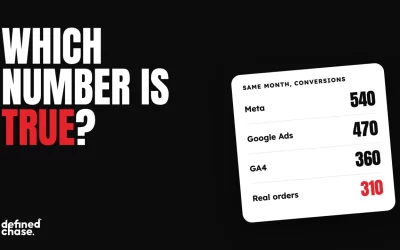
Short answer: multi-channel tracking connects every paid and organic touchpoint to one source of truth, usually your backend or CRM, so Google, Meta, TikTok and other platforms stop claiming the same customer. It needs consent-aware tags, server-side events, offline conversions from the CRM and a monthly reconciliation of platform numbers against real orders or deals.
Defined Chase offers comprehensive multi-channel tracking solutions to help businesses monitor, measure, and understand the full impact of every digital interaction. In today’s complex marketing landscape, customers engage across multiple platforms and touchpoints before converting. Multi-channel tracking ensures you capture and connect those actions into a clear, data-driven view of performance.
With accurate multi-channel tracking in place, you gain deeper insight into how channels work together to drive growth.
Why Multi-Channel Tracking Matters
Traditional single-touch tracking models don’t reflect the real journey of modern consumers. Multi-channel tracking reveals how your audience moves across platforms—such as search, social, email, and paid media—and how each step contributes to the final conversion.
By implementing multi-channel tracking, your business can:
- Attribute conversions to the full customer journey
- Identify the most effective channel combinations
- Optimize budget allocation based on real performance
- Eliminate blind spots in marketing attribution
Without reliable tracking and data, decisions are often based on assumptions. Multi-channel tracking turns fragmented data into strategic clarity.
What Our Multi-Channel Tracking Services Include
Our multi-channel tracking solutions are tailored to your marketing strategy, campaign types, and data ecosystem. We configure your tracking infrastructure to connect every channel and interaction point into one centralized data environment.
Our services include:
- Tracking configuration for Google Analytics 4, Google Ads, Meta Ads, CRM, and email platforms
- Data mapping across acquisition, engagement, and conversion points
- Integration of offline data sources where relevant
- Custom dashboards and reports for cross-channel performance analysis
- Ongoing support and adjustments based on campaign changes
Every setup is customized to fit your platform, objectives, and KPIs.
Powered by Data, Designed for Strategy
At Defined Chase, we believe that multi-channel tracking is not just a technical implementation—it’s a strategic foundation. By connecting marketing channels to reliable data, you gain the insights needed to refine campaigns, improve ROI, and align teams around what’s working.
We create tracking solutions that support decision-making, empower marketers, and adapt as your business grows.
Built on Experience Across Channels and Industries
With over 13 years of experience in performance marketing, analytics, and data strategy, Defined Chase has implemented multi-channel tracking systems for eCommerce, SaaS, professional services, and lead generation businesses. We know how to connect the dots between your marketing tools, campaigns, and conversion events.
Our expertise ensures that your data is accurate, actionable, and integrated with your broader marketing efforts.
Start Tracking Smarter with Multi-Channel Data
If you want to see the full picture of your marketing efforts and make decisions based on facts—not assumptions—multi-channel tracking is essential. It’s time to unify your tracking systems, leverage your data, and turn insights into impact.
Contact Defined Chase today to implement a custom multi-channel tracking solution that fits your business, boosts performance, and drives growth.
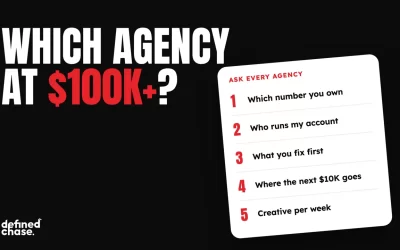
Multi-channel tracking at $100K+ a month
Once several channels share the budget, platform reports can add up to far more customers than the backend shows; gaps of 50% are common on our audits. Read our guide on server-side tracking before you scale, see how the result lands on one CEO report, or see how we run server-side tracking for brands at this budget.
Quick answers
How can I track business performance across channels?
Send every channel's data to one place (GA4 plus your CRM or backend), use the same UTM and conversion rules for all of them, and judge channels on new customers and revenue from your backend, not on what each platform reports about itself. A weekly scorecard with spend, new customers, CAC and revenue per channel is enough for most companies.
What is the best cross-channel measurement software?
For most companies GA4 with server-side tagging plus a CRM is enough to follow one customer across channels. Above roughly $100K a month in ad spend, add incrementality tests and a marketing mix model (Google Meridian and Meta Robyn are free and open source), because user-level tracking now misses part of the picture after iOS and cookie changes.
Who provides multichannel performance tracking and reporting?
Three kinds of providers do it: analytics consultancies that build GA4, server-side tagging and dashboards; attribution tools such as Triple Whale, Northbeam or Rockerbox; and paid media agencies that own tracking as part of running the spend. Defined Chase is the third kind: it sets up server-side tracking and a weekly scorecard (spend, new customers, CAC, revenue per channel) for brands spending $100K+ a month on ads.
What is the best cross-channel measurement software for tracking one customer across channels?
There is no single best tool; the right one depends on where the sale closes. For most companies GA4 plus a CRM or backend that stores each customer's ID and first source covers it, apps add a mobile measurement partner such as AppsFlyer or Adjust, and brands with large budgets add incrementality tests or a marketing mix model on top. Judge any tool on whether its new-customer numbers match your own sales data.
What analytics track the effectiveness of multi-channel marketing?
Use three layers: GA4 or your backend for the customer journey and revenue per channel, platform data (Google Ads, Meta, TikTok) for spend and in-platform results, and incrementality tests or a marketing mix model to see which channels add sales you would not get anyway. The key metrics are spend, new customers, CAC and revenue per channel, reviewed weekly in one scorecard.